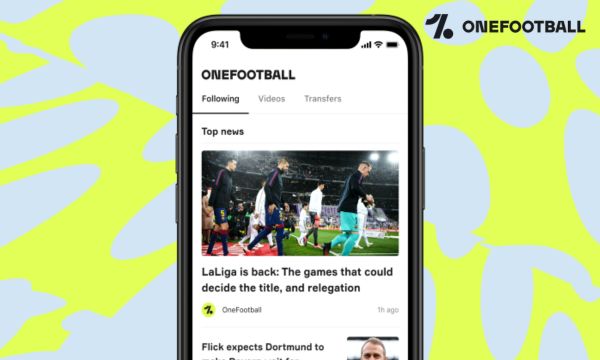
Find out how and where to watch the FIFA World Cup 2026.
Anúncios
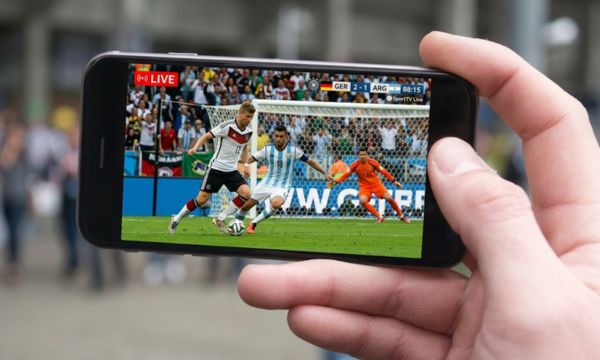
With the right information, following every match becomes easier and more enjoyable.
👉 This article is for informational purposes only. Here you will find reliable apps with live game specifications.
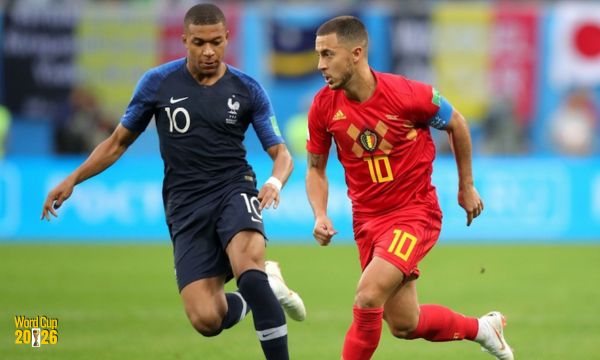
Where to Watch World Cup Matches Live around the World
Before choosing apps, it helps to understand one simple thing. Following the FIFA World Cup 2026 is more about organization than remembering platforms.
Matches will take place across different countries, and broadcasts may vary by region.
This step by step approach helps fans stay organized during the tournament. So:
- Define which country or region you will be watching from
- Identify the official licensed app for that region
- Install the app in advance on your phone, tablet, or smart TV
- Enable match alerts and important notifications
- Always check local kickoff times, since matches happen across different time zones
- Use FIFA+ as a complement for behind the scenes content, news, and official updates
After following this checklist, it helps to know which official platforms are used in each region during the FIFA World Cup 2026.

Below is a quick reference, organized by region:
| Region | Official platforms |
|---|---|
| Global | FIFA+ |
| United States | FOX Sports App · Peacock · FuboTV · YouTube TV |
| Europe | BBC iPlayer · ITVX · ARD Mediathek |
| Mexico | TUDN App · ViX |
| Asia | Disney+ Hotstar (selected markets) |
| Africa | SuperSport App · beIN Connect |
| Canada | CTV App |
| Middle East | beIN Connect |
| Oceania | SBS On Demand |
How the FIFA World Cup 2026 Format Works
The FIFA World Cup 2026 is not just another edition. It marks an important structural transformation of the tournament.
For the first time, the World Cup will feature 48 national teams.
This increase completely changes the dynamics of the competition and expands football’s global reach.
Teams will be divided into 12 groups of 4. Each team plays three matches in the group stage, but with one key detail: the margin for error is minimal.
This creates a knockout stage with 32 teams, something unprecedented in World Cup history.
The practical effect of this format is clear: more meaningful matches, fewer games without real stakes, and an intense rhythm from the very beginning. For fans, almost every day matters.
Confirmed Teams and Group Organization
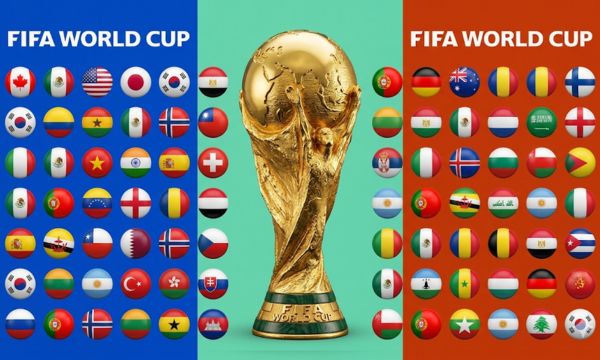
In the opening phase of the FIFA World Cup 2026, national teams are organized into 12 groups, shaping the start of the competition and the pace of the early rounds.
- Group A
Mexico, South Korea, South Africa and Czechia
- Group B
Canada, Switzerland, Qatar and Bosnia and Herzegovina
- Group C
Brazil, Morocco, Haiti, and Scotland
- Group D
United States, Australia, Paraguay and Turkyie
- Group E
Germany, Ecuador, Ivory Coast, and Curaçao
- Group F
Netherlands, Japan, Tunisia and Sweden
- Group G
Belgium, Iran, Egypt, and New Zealand
- Group H
Spain, Uruguay, Saudi Arabia, and Cape Verde
- Group I
France, Senegal, Norway and Iraq
- Group J
Argentina, Austria, Algeria, and Jordan
- Group K
Portugal, Colombia, Uzbekistan and Congo DR
- Group L
England, Croatia, Ghana, and Panama
Host Cities and Match Infrastructure
The FIFA World Cup 2026 will be jointly hosted by Canada, Mexico, and the United States, bringing matches to 16 host cities spread across North America.
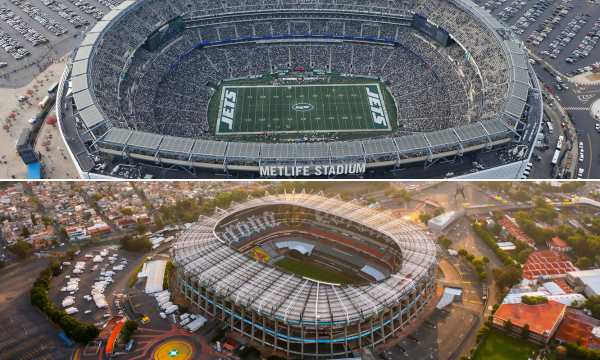
The opening kickoff takes place at an iconic venue, Estadio Azteca in Mexico City, known for its historic weight in World Cups.
The title decider is scheduled for MetLife Stadium, located in New York/New Jersey, closing the tournament in grand style.
In addition to these two central venues, other key stadiums are part of the competition’s route:
- Mercedes-Benz Stadium (Atlanta)
- SoFi Stadium (Los Angeles)
- Hard Rock Stadium (Miami)
- AT&T Stadium (Dallas)
- Lumen Field (Seattle)
- BC Place (Vancouver)
- BMO Field (Toronto)
This distribution of stadiums creates different atmospheres throughout the tournament and directly influences the pace, intensity, and even team behavior on the pitch.
How Qualification for the Knockout Stage Works
With more teams involved, qualification carries even more weight at the FIFA World Cup 2026.
The top two teams from each group qualify automatically. Third-placed teams enter a general ranking, where only the 8 best advance.
This keeps more teams alive until the final group stage round and reduces purely procedural matches.
The knockout phase begins with 32 teams, and from that point on, every match is decisive. There are no second chances: make a mistake, and you’re out!
What Makes the 2026 World Cup Different from the Others
The FIFA World Cup 2026 brings together a series of unprecedented elements that change the tournament experience from start to finish:
- 48 teams: For the first time in history, expanding diversity in countries, styles, and stories on the pitch.
- 104 matches: A longer calendar, with games almost every day and fewer low stakes fixtures.
- Three host countries: The United States, Mexico, and Canada sharing organization and creating varied tournament settings.
- Expanded format: A larger group stage and an earlier knockout phase, increasing the importance of every round.
For fans, it’s a chance to follow more different matchups, see more national teams in action, and enjoy weeks of football that truly matter.
Definitely, when you know where to watch, understand the format, and plan ahead, the experience changes completely.
The FIFA World Cup 2026 invites fans to live every match with more emotion, focus, and involvement.